How Often Should Kids Practice?
One of the most common questions parents ask when starting lessons is how often should kids practice?
It’s an important question—but the answer isn’t about forcing long practice sessions or hitting a perfect daily number. It’s about building a routine that supports confidence and steady progress over time.
At Canton Music Academy, we help families find practice habits that fit naturally into their lives and grow with the student.
Enroll Now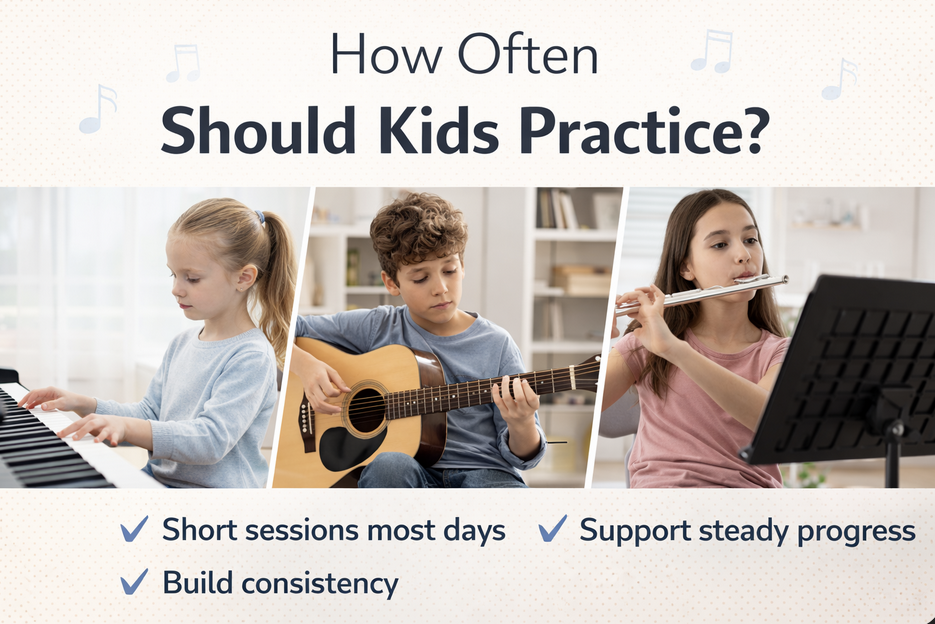
Short, Regular Practice Beats Long Sessions Here and There
For most children—especially beginners—short, regular practice sessions are far more effective than long sessions done occasionally.
Practicing a little bit as often as possible helps reinforce:
- Muscle memory
- Coordination
- Comfort with the instrument
Long practice sessions can be useful later for students who want to advance more deeply, but when building skills from the ground up, consistency always wins.
Let Young Students Build Confidence First
For very young students, practice doesn’t always look the way parents expect.
Often, concepts sink in mentally before they show up physically. That’s normal. Confidence plays a huge role early on, and too much pressure can slow that process down.
Instead of correcting or directing every practice session, we often suggest:
- Asking your child to show you something they learned
- Sitting in on a lesson if you don’t already
- Letting routines form naturally over time
When parents show interest without pressure, kids are more likely to engage.
Parent Involvement Matters — It’s a Partnership
The more involvement from parents, the better—especially early on.
Music progress works best as a partnership. Some families aim for full independence, and if a child naturally takes that on, that’s great. But early involvement often leads to:
- Better consistency
- Stronger motivation
- A little healthy competition when parents try things themselves
When kids see parents engaging—even casually—it often sparks more effort and enthusiasm.
Practice Environment Makes a Big Difference
Different instruments come with different challenges.
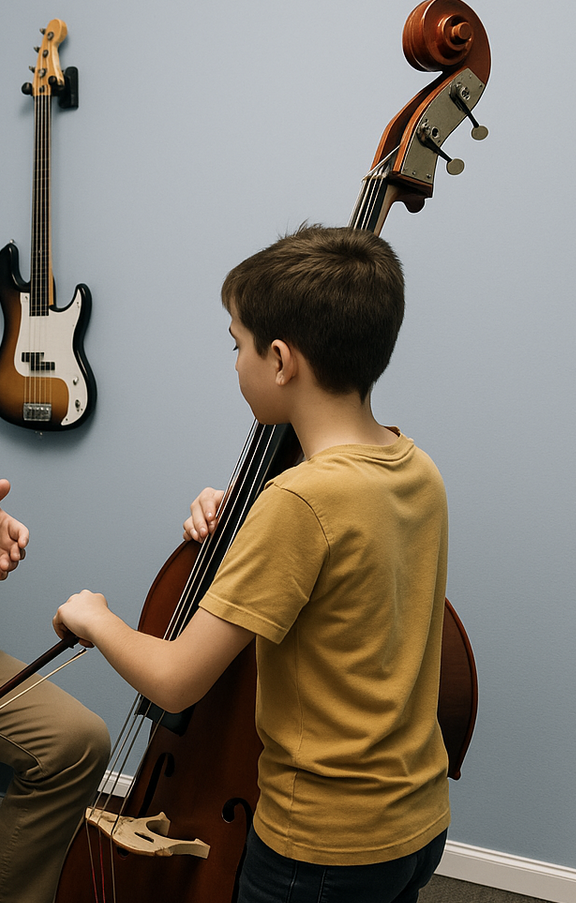
Instruments that must be held—like guitar, violin, or wind instruments—tend to break down faster in practice habits if there isn’t a routine. One of the best solutions is setting up a dedicated practice space:
- A chair
- A music stand
- Books and materials always ready
That setup makes practice feel automatic.
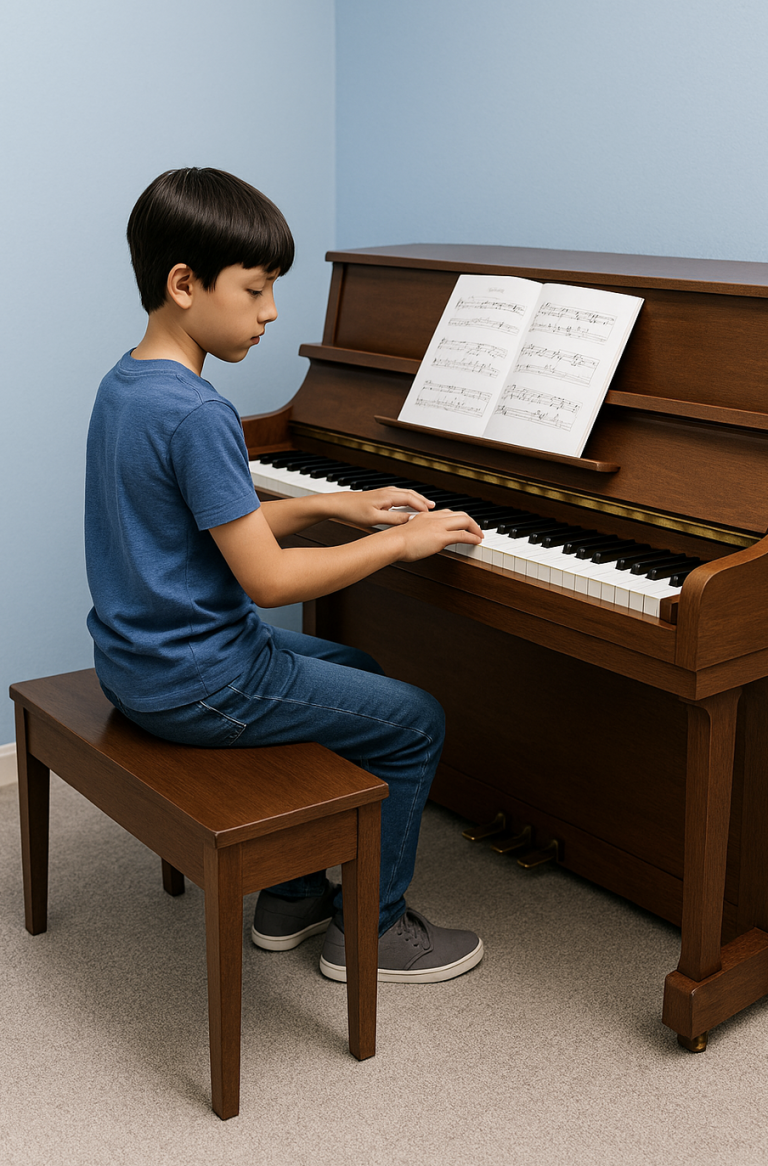
Piano presents a different challenge. Since it stays in one place, it’s easier to return to—but it’s often in a shared space. Some students struggle with privacy or self-consciousness. Finding a comfortable time and environment can make a big difference.
Use Resources to Keep Practice Engaging
Practice doesn’t have to feel repetitive or boring.
Helpful resources can include:
- Posters or visual reminders
- Apps and interactive tools
- New books or games
- Pictures or charts that track progress
Anything that stimulates curiosity and keeps the mind engaged can help students connect more deeply with their instrument.
So, How Often Should Kids Practice?
In most cases:
- A little bit as often as possible is best
- Consistency matters more than total time
- Early routines build confidence and momentum
If practice feels manageable and encouraging, students are far more likely to stick with it long-term.
If you’re unsure what’s realistic for your child, we’re happy to help you find a plan that fits your schedule and goals. Enrollment is flexible, and practice routines can always evolve as students grow.
Previous Blog Post: New Year Guitar Lessons in Canton, Michigan